News
From AI to Elections: The Top 3 Global Trends Shaping Headlines Right Now
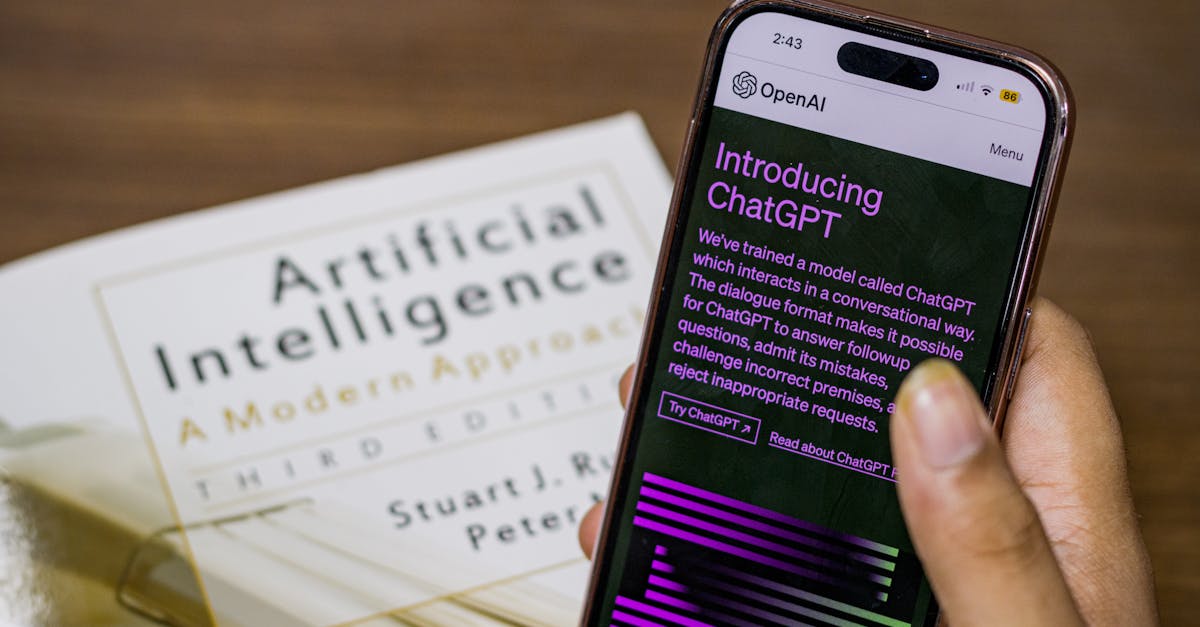
Ever feel like you open your news app and the top three stories are: 1) A robot wrote a symphony, 2) A country you can’t locate on a map just had a coup, and 3) Your favorite social media platform is allegedly melting democracy? You’re not alone. I was making coffee this morning, half-listening to a podcast, and the host seamlessly transitioned from discussing AI-generated deepfakes to analyzing polling data in a key swing state. It hit me: these aren’t isolated news cycles. They’re threads of the same chaotic, world-altering tapestry.
We’re living through a convergence of trends so powerful, they’re not just shaping headlines—they’re reshaping reality. Let’s cut through the noise and look at the three massive forces colliding in real-time.
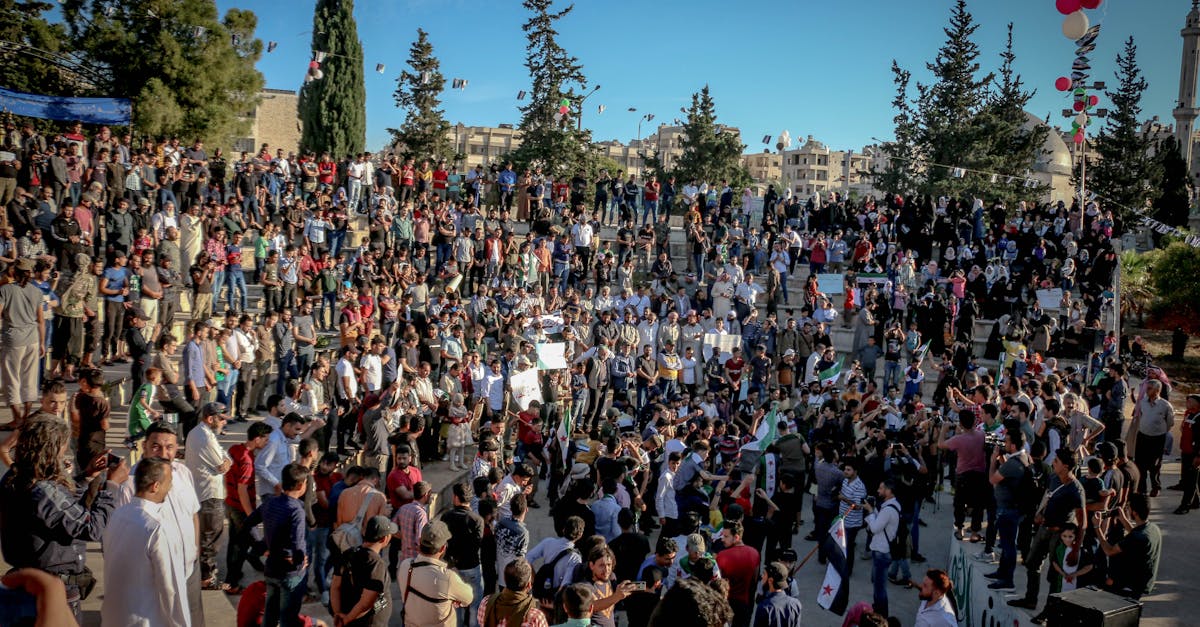
## The AI Revolution Is No Longer Theoretical (It’s in Your Pocket)
Remember when AI was just a sci-fi trope or something tech bros in Silicon Valley hyped? Yeah, those days are gone. **The generative AI explosion** has moved from lab to living room at a breathtaking pace. We’ve gone from asking Siri about the weather to having existential debates about a chatbot’s “feelings.” But here’s what most people miss: the real headline isn’t the technology itself; it’s the **velocity of adoption and integration**.
Think about it. Tools like ChatGPT, Midjourney, and their ever-evolving cousins are being baked into everything—your word processor, your design software, your search engine. The trend isn't just "AI can do cool stuff." The trend is the **democratization of powerful creation and, frankly, deception**. A teenager can now produce a convincing fake video, a compelling news article, or a professional logo in minutes. The barrier to entry for both incredible creativity and potent misinformation has been vaporized.
I’ve found that the conversation is dangerously binary. It’s either “AI will solve all our problems!” or “AI is a Skynet-level threat!” Let’s be honest, the truth is messier. The immediate trend is about **disruption to white-collar work**, the **erosion of trust in digital media** (more on that next), and a frantic, global race for regulation that’s already miles behind the tech. We’re not waiting for the future; we’re beta-testing it, live.
## The Election Supercycle Meets the Disinformation Doom Loop
If the first trend is the weapon, this second one is the battlefield. 2024 isn’t just an election year; it’s a **global election supercycle**. Over 60 countries, representing half the planet’s population, are heading to the polls. From the U.S. and India to the European Parliament and beyond, the stakes are colossal.
Now, layer Trend #1 onto this. This is where it gets scary. We’re entering the first truly **AI-powered election era**. The deepfakes aren’t coming; they’re here. AI can now generate:
* Hyper-realistic fake audio of a candidate saying something incendiary.
* “Evidence” of events that never happened.
* Tailored disinformation campaigns at an unprecedented scale and speed.

This creates what I call the **disinformation doom loop**. Even when a piece of media is debunked, the damage is done. The rumor lingers. The doubt is seeded. The trend here is the move from misleading *information* to synthetic *evidence*. It’s no longer about spin; it’s about constructing alternative realities that are visually and awrally convincing. The goal isn’t necessarily to make you believe one fake video, but to make you distrust *everything*—the media, institutions, the very idea of objective truth. When nothing can be trusted, people retreat to their tribal corners, and democracy itself becomes destabilized.
## The New Global Fault Lines: Beyond East vs. West
While we’re glued to our screens debating AI and elections, the old world order is cracking apart. The post-Cold War era is definitively over. The top trend in geopolitics isn’t a simple U.S.-vs.-China showdown (though that’s a huge part of it). It’s the **fragmentation into competing blocs** and the rise of a multipolar, often chaotic, system.
We’re seeing:
1. **The BRICS+ Expansion:** This bloc is actively positioning itself as an alternative to Western-led institutions, challenging the dollar’s dominance and offering a different geopolitical vision.
2. **The Return of Hard Power:** The wars in Ukraine and Gaza are tragic reminders that territorial conflict and proxy wars are very much back on the menu.
3. **The Weaponization of Interdependence:** Everything is a tool now—energy supplies, chip manufacturing, social media platforms, even supply chains for critical minerals. Globalization didn’t create peace; it created new, complex vulnerabilities that are now being exploited.
The headline trend is **de-risking and reshoring**. Nations and corporations are scrambling to secure their own supplies, build their own tech stacks, and form alliances based on resilience, not just efficiency. It’s a less stable, more volatile world where a conflict in a strategic strait or a breakthrough in a foreign lab can send shockwaves through every other trend we’ve discussed.

## So, What Connects These Dots?
It’s tempting to see these as separate stories: a tech section, a politics page, a world news brief. But they’re a feedback loop.
* **AI** creates tools that poison **elections**.
* **Election outcomes** in major powers dictate **geopolitical** alliances and tech policies.
* **Geopolitical** rivalry fuels the **AI arms race** and determines which platforms (and their algorithms) have global reach.
We, as citizens and consumers, are in the middle of this. The call to action isn’t to become a policy expert on all three. It’s to cultivate a **heightened media diet**. Be skeptical of what you see, especially if it confirms your deepest biases. Seek out reliable sources. Understand that the flashy AI tool and the tense geopolitical headline are often part of the same story.
The next decade will be defined by how we navigate this trifecta. Will we harness AI’s potential without letting it dismantle social trust? Can our democratic institutions withstand the synthetic media onslaught? And in a fractured world, can we find enough common ground to set rules for this new game?
The headlines of today are the history books of tomorrow. Let’s try to make sure they’re not a cautionary tale.
**Follow us**
[YouTube](https://www.youtube.com/@CEFulshear). Follow for more great content!
276 views
